|
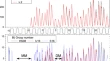
The solar active longitudes also exhibit a flip-flop cycle. On the Sun major spot activity alternates the
active longitudes in about
, which results in flip-flop cycles of
and
in the northern
and southern hemispheres, respectively (Berdyugina and Usoskin, 2003
). This is about 1/3 of the 11-
sunspot cycle and agrees with the results obtained for young solar analogues. The difference between
flip-flop cycle lengths in the north and south is significant and produces an oscillating effect in the
north-south asymmetry on a century time scale.
|
|
|||||||||||||||||||||||||||||||||||||||||||||||||||||||||||||||||||||||||||||||||||||||||||||||||||||||||||||||||||||||||||||||||||||||||||||||||||||||||||||||||||||||||||||||||||||||||||||||||||||||||||||||||||||||||||||||||
| http://www.livingreviews.org/lrsp-2005-8 |
© Max Planck Society and the author(s)
Problems/comments to |